
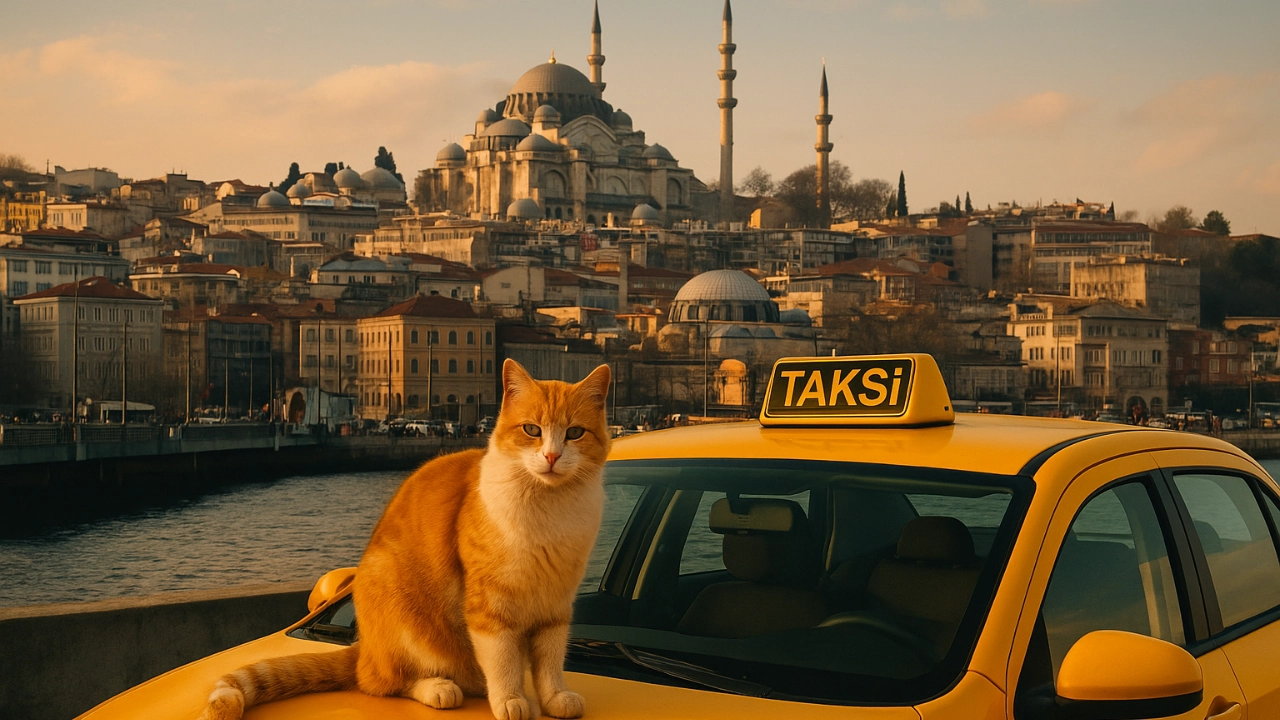
For centuries, Istanbul has shared a deep and heartfelt bond with its beloved street cats. Walk through its twisting lanes, bustling bazaars, grand mosques or seaside promenades, and you’ll notice something magical — a gentle coexistence between millions of people and thousands of furry residents.
More than 15 million humans call Turkey’s largest city home. Yet, among them roam an estimated 250,000 cats, moving peacefully through daily life like they belong to every doorstep, shopfront and ancient stone wall. In many ways, they do. Cats have become part of Istanbul’s identity, woven as tightly into the city’s culture as its colorful carpets.
Photographer and author Marcel Heijnen puts it perfectly: “Istanbul’s cats are neither pets nor strays. They live in a special space between those worlds. They’re cared for by entire neighborhoods.”
Local people don’t “own” these cats. They protect, feed and love them as a shared responsibility.
This respect for cats isn’t new. According to Fatih Dağlı of the Cat Museum Istanbul, each district even has a veterinary team that provides free neutering and care for street animals. Many private clinics offer discounts, and residents often come together to pay bills for injured or sick cats.

Feeding street cats is a cherished tradition here. Shopkeepers leave scraps on doorsteps, fishermen toss small fish to waiting paws, and families put bowls outside their homes. The roots of this kindness stretch back to the Ottoman era, when a unique job called mancacı — meaning “cat sitter” — existed. Their task? Make sure every cat in the area was fed well.
Some historians trace this bond even deeper, back to the Phoenicians, when sailors kept cats on ships to control rodents. As trade routes expanded and ships sailed into Byzantium, Constantinople and later Ottoman Istanbul, cats arrived too — and stayed forever.
Today, Istanbul proudly embraces the nickname “Catstanbul”, attracting cat lovers from around the globe. Visitors often arrive for the history, architecture or food — but leave talking about the cats.
During visits, many travellers describe the cats as the city’s quietest citizens, offering small moments of peace amid the fast-paced chaos. Whether sharing a park bench after climbing the hill to Galata Tower, or curling up beside you as you admire the Bosphorus, these cats bring unexpected calm and connection.
Cities are usually known for their hard edges — concrete, steel, noise and motion. But here, the soft presence of cats adds a rare warmth. As Heijnen says, “It’s special to see another species claim space in a huge city — and even more special to see people accept them as part of the community.”
In neighborhoods across Istanbul, this harmony is visible everywhere. In Fatih, the beloved cat Sulo lounges proudly in Sultanahmet Square, charming tourists near the Blue Mosque. Along the waterfront, cats nap in tiny wooden shelters built just for them. In markets and metro entrances, bowls of food and water wait like small signs of love.
Shops often keep cats inside — a natural invitation for passersby to step in. Others open their doors simply so cats can come and go as they please. Long ago, cats guarded food stores against pests. Today, they have a new role — they are friendly ambassadors, easing the intensity of the city with their gentle presence.
Their purrs, paws and curious eyes follow you through your journey. And long after you leave, it is often these small encounters that stay with you — reminders of how beautifully life works when humans and animals share space with kindness.
Travel writer Jeff Bogle, author of the world’s first cat-themed travel guide, says it best: Istanbul’s cats show us what’s possible when we choose compassion in our daily lives — at home and while exploring the world.