
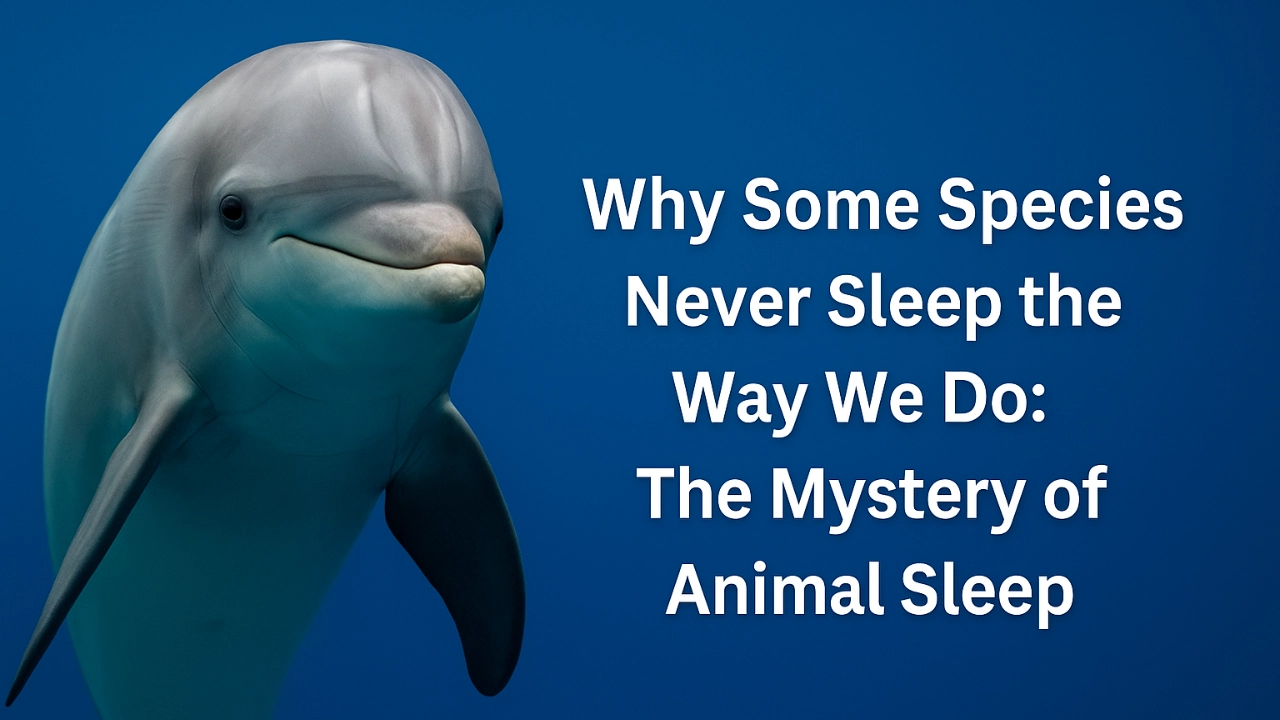
Sleep may feel like a universal behaviour, yet many species across Earth rest in ways that look nothing like human sleep. While humans spend nearly one-third of life in a deep, immobile state, countless animals have evolved sleep strategies that allow them to stay alert, survive danger and adapt to extreme environments. This unusual sleeping behaviour raises one big question: Why do some species never sleep the way we do?
The study of sleep in nature has revealed that rest is not a one-size-fits-all process. Creatures that live in risky habitats cannot afford to become fully unconscious. Others travel such long distances that traditional sleep would threaten their survival. These differences show how evolution shapes each species’ sleep pattern to match its lifestyle, biology and environmental challenges.
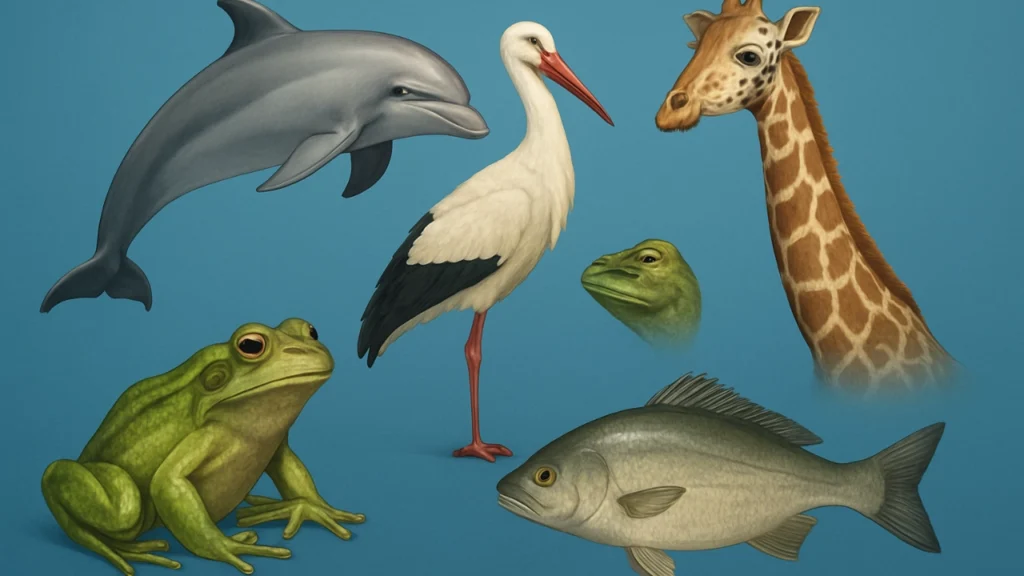
One of the most fascinating examples is found in marine mammals. Dolphins and whales sleep with only one half of their brain at a time, a state called unihemispheric slow-wave sleep. This allows them to continue swimming, come up for air and stay alert to predators. If they slept fully like humans, they would drown within minutes. Their survival depends on this unique method of resting while remaining partially awake.
Birds have also evolved extraordinary sleep patterns. Research shows that some migratory birds can sleep while flying, especially during long-distance journeys lasting weeks. Instead of shutting down completely, their brains take turns resting in brief episodes. This form of sleep keeps them airborne without losing awareness of their surroundings. Even birds resting on perches often sleep lightly, waking instantly at the sight or sound of danger. They balance the need for rest with constant vigilance.
Then there are animals like bullfrogs, which scientists believe show almost no signs of true sleep at all. While they do experience moments of reduced activity, they react quickly to threats even in these states. Their version of rest is far lighter than anything humans experience. Similarly, giraffes sleep very little, sometimes only minutes at a time. Living in open savannahs filled with predators means long periods of deep sleep could cost them their lives.
In the ocean’s depths, some fish rest without ever closing their eyes because they lack eyelids. Instead, their metabolism slows and their bodies remain still, yet they stay ready to flee in an instant. These species demonstrate that sleep can be flexible, changing shape according to the challenges of their environment.
All these unusual patterns show that sleep is not just about shutting down the body. For many animals, sleep is a delicate balance between resting and staying alive. Evolution has shaped their brains to find innovative ways to recover energy without losing awareness. The mystery of animal sleep continues to grow as scientists uncover more species with strange and surprising sleep behaviours. What remains clear is that sleep, in all its forms, is essential—yet nature has found endless creative ways to make it safe.
Animal Sleep Styles Comparison Table
| Species | How They Sleep | Why It Helps Them Survive |
|---|---|---|
| Dolphins | One brain hemisphere sleeps at a time | Allows breathing and predator awareness |
| Migratory Birds | Short micro-sleeps while flying | Supports long-distance migration |
| Giraffes | Very short sleep periods, often minutes | Helps avoid predators in open habitats |
| Bullfrogs | Minimal signs of true sleep | Maintains constant readiness |
| Fish (various species) | Rest with eyes open, metabolism slowed | Enables quick escape from threats |
FAQs
Q1. Do any animals sleep as deeply as humans?
Some mammals like lions and bats experience deep sleep similar to humans, though their patterns differ based on lifestyle.
Q2. Why do dolphins sleep differently from land animals?
Dolphins must reach the surface for air, so they cannot become fully unconscious. Their unique brain sleep keeps them alive while resting.
Q3. Can birds really sleep while flying?
Yes, research confirms that certain migratory birds enter brief episodes of unihemispheric sleep during long flights.
Q4. Do animals that sleep very little suffer health problems?
Most of them do not. Their bodies evolved to function with minimal sleep, unlike humans who need regular, deep rest.
Q5. Why is animal sleep still a mystery to scientists?
Because sleep occurs differently across species, researchers continue to uncover new patterns that challenge our understanding of how sleep works.