
The Change in Dog Training For many years, dog training was based on the idea that you had to be the “alpha” or “pack leader” to get your dog to listen to you. This approach used fear, pain, and tools like shock collars or choke chains to control unwanted behaviors. However, modern dog training has made a huge shift.
Now, thanks to research on dog behavior, training is focused on trust, cooperation, and positive reinforcement. These methods are not only kinder but more effective in building a strong bond with your dog and teaching them well. In this article, we’ll explore why positive reinforcement is better for your dog’s well-being and how you can use it in everyday training.
Punishment vs. Reward: Two Ways to Train Your Dog
All dog training seeks to teach a dog what is right or wrong. The main difference is how the training is carried out: punishment or reward. Let’s look at both methods.
1. Positive Reinforcement (Reward-Based Training)
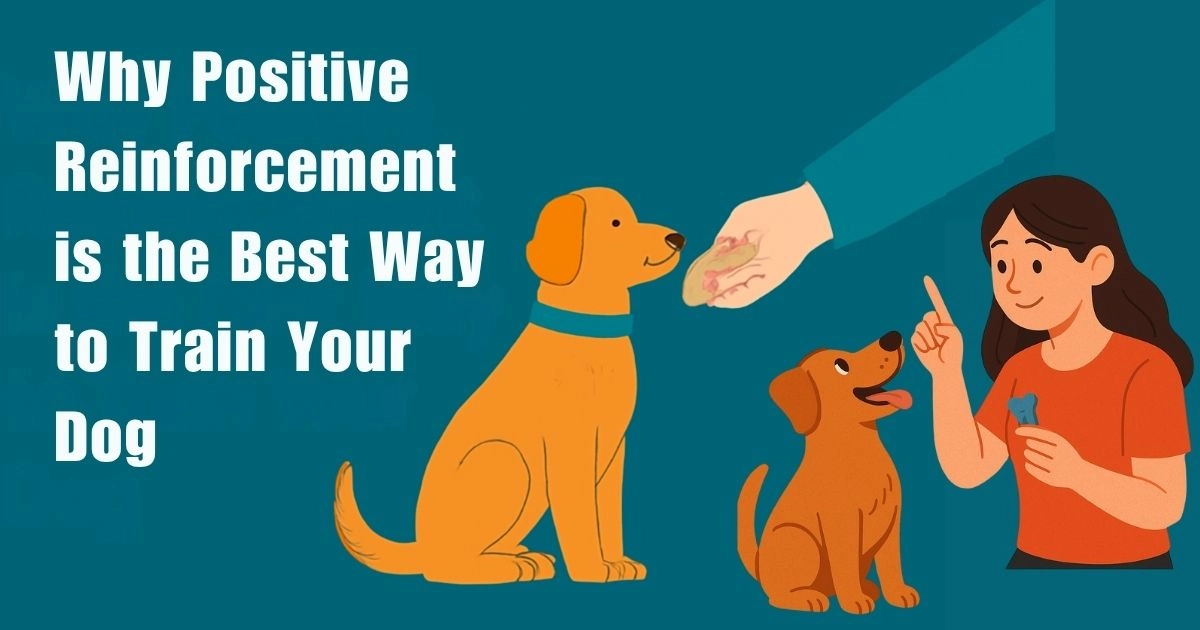
Positive reinforcement means rewarding your dog when they do something good.
- How It Works: If your dog does something right, like sitting when asked, you give them a treat, praise, or a toy.
- The Result: Your dog starts to understand that good behavior brings rewards, so they’ll keep doing it. Training becomes fun, and your dog learns because they want to please you, not because they are scared.
This method builds a trusting relationship where your dog sees you as the person who gives them good things, not the person who punishes them.
2. Punishment-Based Training (Old Methods)
Punishment training uses discomfort or fear to stop a dog from doing something wrong.
- How It Works: If your dog misbehaves, you may yank on their leash, yell at them, or use a shock collar.
- The Goal: The idea is that your dog will avoid the bad behavior because it brings an unpleasant experience.
While this may seem effective in the short run, punishment-based methods can harm your dog’s trust and emotional health. Over time, it can even cause anxiety and aggression.
Why Science Says Punishment Doesn’t Work
There’s clear evidence that punishment-based methods harm a dog’s emotional and physical health. Here’s why:
Stress and Anxiety
Studies show that dogs trained with punishment experience higher stress levels. The hormone cortisol (which is released when dogs are stressed) is significantly higher in dogs that face negative reinforcement. They also show signs of anxiety, like panting, yawning, and lip-licking.
Punishment Can Cause Aggression
Punishing dogs for growling or warning signs can lead them to become more aggressive. For example, if your dog growls at someone, and you punish them, they may not give that warning next time. Instead, they might bite without warning. This can be dangerous for both the dog and those around them.
Long-Term Effects on Mental Health
Dogs trained with punishment methods also showed more negative emotions in behavior tests. They were more likely to show pessimistic responses weeks after training. This indicates that fear-based training harms their mental well-being over time.
Veterinary Experts Agree: Reward-Based Training is Best
Leading veterinary organizations, like the American Veterinary Society of Animal Behavior (AVSAB), strongly support reward-based training. They recommend it for every dog, including those with behavioral problems.
The LIMA Principle (Least Invasive, Minimally Aversive) is the ethical guide for training. It says that we should avoid harsh techniques and use the least intrusive methods first. Positive reinforcement is always the preferred choice.
Practical Steps for Successful Training with Positive Reinforcement
Positive reinforcement is not only kind but effective. Here’s how you can apply it in your everyday training:
1. Start with Management
Before you begin formal training, stop your dog from practicing bad behavior. For example, if your dog jumps on guests, keep them on a leash when visitors arrive. By managing the situation, you stop them from practicing the behavior, setting them up for success.
2. Use High-Value Rewards
Not all rewards are created equal. If your dog is distracted (like at the park), your regular treats might not be enough. In such cases, use high-value rewards, like small pieces of chicken or a favorite toy. These rewards are more motivating than regular kibble.
3. Redirect Problem Behaviors
If your dog barks at other dogs, use distractions to redirect their attention. For example, when a dog walks by, call your dog’s name and reward them for looking at you. Over time, your dog will start associating the presence of other dogs with positive rewards, not something to fear or react to.
4. Teach Through Choices, Not Fear
In positive reinforcement, discipline isn’t about punishment. It’s about teaching your dog to make the right choices. For example, teaching your dog to wait before going through a door encourages self-control without fear.
The Benefits of Positive Reinforcement
By choosing positive training, you’re doing much more than just teaching obedience. Here’s how it improves your dog’s life:
- Better Behavior: Dogs trained with positive reinforcement are happier and more confident.
- Less Aggression: There’s less risk of fear-based aggression.
- Stronger Bond: You create a trusting relationship between you and your dog, leading to better communication and understanding.
- Improved Mental Health: Positive training keeps your dog’s mental well-being intact.
Frequently Asked Questions (FAQs)
1. Does positive reinforcement work for serious issues like aggression?
Yes, positive reinforcement is highly effective for all behaviors, including aggression. It focuses on teaching your dog to choose positive behaviors instead of suppressing them through punishment.
2. Is the “Alpha” method still relevant?
No. The “alpha” theory, where you dominate your dog, is outdated and harmful. Dogs respond better to positive, cooperative training.
3. Can treats make my dog only obey when they see food?
Not at all! Once your dog learns the behavior, you can reward them less frequently, using praise or toys. The behavior will remain strong even without food.
4. Are tools like shock collars necessary for stubborn dogs?
No. Scientific studies show that positive training methods work just as well or even better than shock collars, without the harmful effects on your dog’s emotional state.
5. How can I make positive reinforcement work when distractions are present?
Use high-value rewards that are more motivating than the distractions around your dog. This will keep their focus on you and help them learn better.
Choose Positive Reinforcement for a Stronger Bond
Choosing the right training method is a crucial part of pet ownership. By using positive reinforcement, you’re not only teaching your dog, but you’re also building trust and a lifelong bond. It’s the best choice for your dog’s well-being and happiness, and it’s scientifically proven to work.
Start today with small, positive changes, and watch your dog thrive in a happy, healthy, and stress-free environment!