
Becoming a Most Valuable Pet Owner (MVPO)
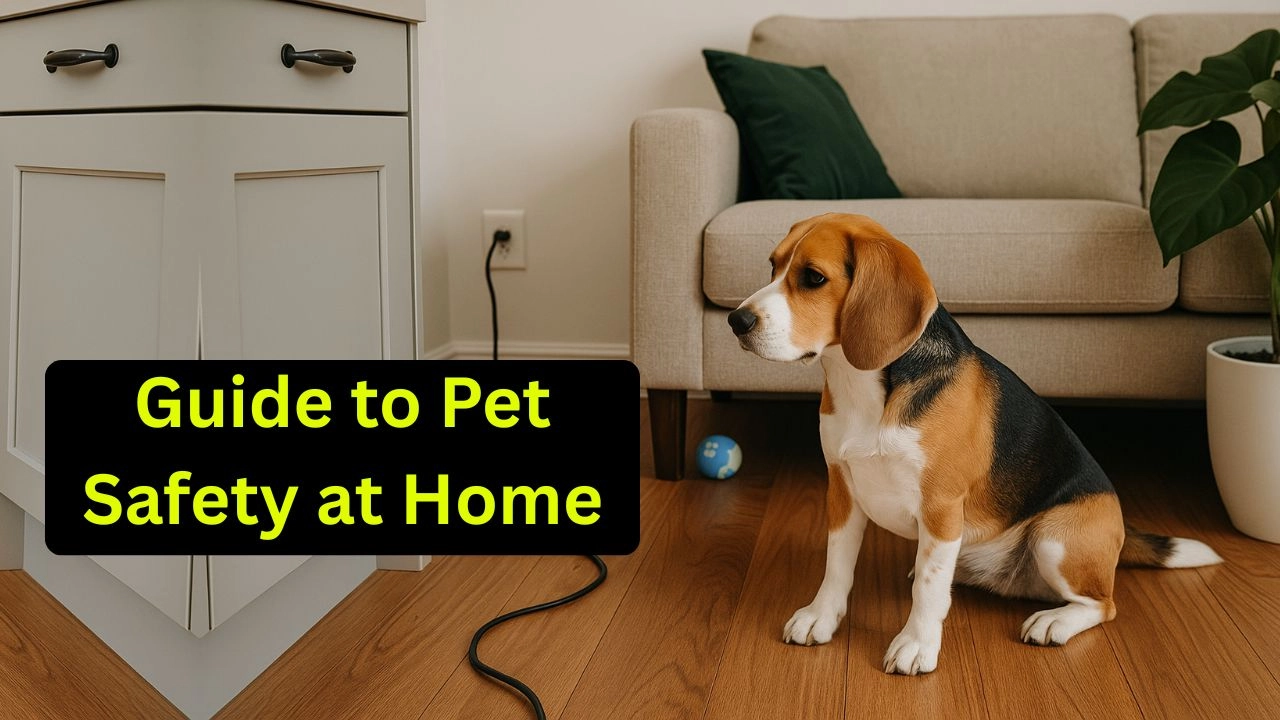
For most pets, the home is perceived as a sanctuary—a place of comfort, food, and family. However, a surprising truth revealed by veterinary experts is that the most common place for pets to suffer accidental poisoning or severe injury is often within the seemingly safe walls of their own residence. Millions of pet owners face accidental incidents every year, turning the safest place into a potential minefield of hidden dangers, from loose wires to common household cleaners.
The primary mission of this guide is to empower pet owners to move beyond basic care and adopt the mindset of a Most Valuable Pet Owner (MPVO). This requires education, vigilance, and proactive measures to anticipate threats that pets, driven by curiosity and instinct, might encounter. This report compiles the latest and most urgent toxin warnings based on 2024 data from the ASPCA, alongside a comprehensive room-by-room strategy for pet-proofing against physical and electrical hazards.
Understanding the difference between human and animal physiology is fundamental to effective pet safety. It is crucial to remember that pets are not simply small humans; they metabolize drugs and chemicals in unique ways. Substances deemed safe for human children—even over-the-counter or herbal remedies—can be profoundly lethal to dogs and cats. This metabolic difference necessitates absolute vigilance when securing medications, foods, and chemicals, transforming common items into potential life-threatening threats if accessed by a furry family member.
The Top 10 Pet Toxins of 2024 and How to Secure Them
Every year, the ASPCA Animal Poison Control Center (APCC) analyzes thousands of exposure cases to identify the most common threats to companion animals. The latest data reveals that the most significant dangers are items commonly found in almost every household, highlighting the need for increased awareness regarding everyday objects.
Medication Madness (OTC and Prescriptions)
Medications—both those available over-the-counter (OTC) and those requiring a human prescription—consistently rank among the most serious hazards. OTC medications remain the number one toxin, accounting for a staggering 16.5% of all exposures reported to the APCC. Human prescription medications occupy the third spot on the list.
The severity of this threat is compounded by the fact that many pets are poisoned due to convenience—pill bottles left on countertops, bedside tables, or in easily accessible purses. The casual placement of these items allows pets, especially curious dogs, to easily chew through plastic containers and ingest large, toxic doses.
The Worst Offenders and Their Effects
Highly dangerous OTC drugs include Non-Steroidal Anti-Inflammatory Drugs (NSAIDs) such as ibuprofen (Advil, Motrin) and naproxen (Aleve), and Acetaminophen (Tylenol). Ingestion of NSAIDs can rapidly lead to severe stomach ulcers, gastrointestinal distress, and acute kidney failure, even in small amounts. Acetaminophen ingestion, particularly common in cats, causes irreversible liver damage and the destruction of red blood cells, which can be rapidly fatal.
Among prescription drugs, the most frequently involved classes are Heart medications, Antidepressants, and ADHD medications. Antidepressants (such as Prozac, Lexapro, and Effexor) and ADD/ADHD medications (including Concerta, Adderall, and Ritalin) can cause extreme symptoms if ingested, including dangerously elevated heart rates, seizures, tremors, and severe blood pressure fluctuations.
The prevalence of medication-related calls (nearly half of all calls received by the Pet Poison Helpline) highlights a primary causal factor: storage complacency. Pet owners must treat all human pills, capsules, and liquids as highly attractive and lethal poisons.
Action Plan for Securing Medications
All human medications must be stored in secure, high, child-proof cabinets, well out of paw’s reach. Locking cabinets are highly recommended. Never assume a pill bottle is safe just because the cap is secured; many dogs can easily chew through the container itself to reach the contents. Furthermore, owners should be meticulous about ensuring pets cannot access dropped pills, especially those that roll under furniture or appliances.
Food Fright: The Dangers in Your Pantry
Human food and drinks remain the second most common source of toxin exposure, accounting for 16.1% of all reported incidents. While many human foods are benign, several common kitchen staples pose severe health risks.
Chocolate specifically continues to be a major hazard, involved in 13.6% of exposures. Chocolate contains methylxanthines (theobromine and caffeine) which pets, particularly dogs, cannot efficiently metabolize. A significant contributing factor to poisonings is the behavior of dogs, who often lack an “off button” for tempting, high-fat foods. This means a dog can easily ingest a large, toxic quantity—such as an entire pan of baked goods—very quickly.
Beyond chocolate, other common toxic foods include Xylitol (or birch sugar), a sweetener found in sugar-free gums, certain baked goods, and some brands of peanut butter, which can cause life-threatening hypoglycemia and liver failure in dogs. Grapes and raisins are also severely toxic, leading to kidney damage or failure in some animals. Alcohol is another severe risk, causing drops in blood sugar, body temperature, and coma.
To mitigate this risk, secure all kitchen trash cans using heavy, covered containers or cabinet locks, as leftover food scraps and wrappers can be tempting. All tempting human foods should be stored on high shelves in the pantry, and pets should not be left unattended in rooms where food is being prepared or consumed.
Green Threats: Toxic Houseplants
Plants and fungi collectively account for 8.1% of exposures. While plants bring life and beauty to a home, many popular decorative varieties harbor toxic chemicals that are hazardous if chewed or ingested.
A major warning must be issued regarding Lilies, which are identified as one of the most toxic household plants for cats. Ingestion of any part of a lily plant—including the petals, leaves, pollen, or even water from the vase—can lead to fatal kidney failure in felines. Cat owners must eliminate all lilies from their homes.
Other common houseplants containing irritating or harmful substances include the Sago Palm, which is highly toxic, and the Philodendron, which contains calcium oxalate crystals. When chewed, these crystals cause intense pain, drooling, and swelling in the mouth and throat. Additional common offenders include Oleander, Aloe, Chrysanthemum, Hyacinth, Jade plants, Daffodils, and Asparagus Ferns.
The required action plan is simple: Remove all lethal plants from the home immediately. For less toxic but potentially irritating plants, placing them in rooms inaccessible to pets or hanging them securely far above floor level is essential to prevent ingestion.
Secondary Toxins and Storage Risks
Two categories of products designed for maintenance and care—both for the pet and the home—pose significant risks due to storage and formulation.
Veterinary Products and Storage
Veterinary products, intended specifically for pets, rank fifth on the APCC toxin list. The primary issue here is a functional dilemma: the trend toward highly palatable, flavored chewable tablets or soft chews makes administration easier for owners but simultaneously makes the entire container an attractive target for a curious or motivated pet. If a pet gains access to the container, they are often tempted to ingest the entire supply, leading to an overdose of the medication. Pet owners must store flavored chews with the same security protocols used for human prescription drugs.
Garage and Pest Control
Rodenticides (rat and mouse poisons) moved up to the number seven spot, accounting for 7% of exposures.5 These products are engineered to be highly palatable to entice pests, which means they are equally attractive to pets. If used, they must be placed inside inaccessible, secured bait stations away from pets and children.
Another major garage hazard is antifreeze. Antifreeze (ethylene glycol) has a sweet taste that attracts pets, but even small amounts are highly lethal, causing irreversible kidney failure. Owners must immediately clean up any spills from the garage floor or driveway to prevent accidental ingestion.7
Household Cleaners and Essential Oils: The Silent Toxins
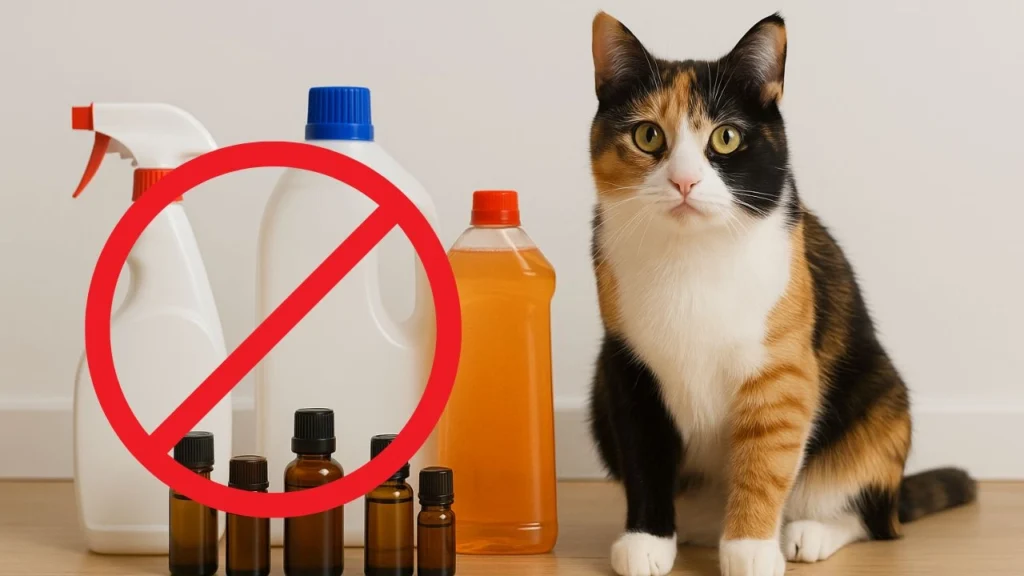
While large-scale poisonings often involve medications, numerous subtle, chemical risks lurk within cleaning products and fragrance agents. These products pose unique risks to pets due to their habits and lower stature.
Common Chemical Culprits (Inhalation and Contact Risk)
Pets are uniquely vulnerable to household chemicals because they spend much of their time low to the ground, where chemical residues settle and strong fumes concentrate. Furthermore, cats and dogs frequently groom themselves, transferring residues from their paws, fur, and the surfaces they touch directly into their mouths.
Highly corrosive and irritating ingredients commonly found in popular household cleaners include Ammonia (often listed as ammonium hydroxide), Bleach and Chlorine, Phenol, and Isopropyl Alcohol. Products from major brands like Lysol and Clorox often contain these ingredients and can be toxic if ingested or if the pet is overexposed. Symptoms of chemical exposure include drooling, vomiting, not eating, diarrhea, respiratory issues, and abdominal pain.
Exposure can occur not just through direct ingestion, but through contact and inhalation. The strong odors of these chemical cleaners can overwhelm a pet’s heightened sense of smell, potentially leading to nausea, dizziness, or respiratory problems.
To minimize risk, store all cleaning supplies in cabinets secured with child-proof locks. This prevents curious pets from chewing through containers or knocking over bottles.
The Hidden Dangers of Essential Oils
A common misconception is that because essential oils are “natural,” they are safe for use around pets. This is far from the truth. Essential oils are highly concentrated chemical compounds, and when used in diffusers or applied topically, they can pose serious risks.
Several oils are highly toxic to pets: Tea Tree Oil, Peppermint Oil, Wintergreen Oil (which contains toxic methyl salicylate), Pine Oil, Cinnamon Oil, Citrus Oils (containing limonene), Sweet Birch Oil, and Ylang Ylang Oil.
The danger of these oils is particularly pronounced for cats. Felines lack specific liver enzymes (glucuronyl transferases) needed to efficiently break down and eliminate many of the compounds found in essential oils. This results in cumulative toxicity, meaning the chemical load builds up in their system and can cause severe symptoms ranging from digestive issues and respiratory problems to liver disease and neurological damage.
Safe Cleaning Alternatives and Best Practices
When cleaning the home, ensuring adequate ventilation is critical. Pets must be kept completely out of the area while cleaning products are in use and until surfaces are dry and all strong odors have dissipated. A proactive strategy is to transition to non-toxic, pet-specific cleaning products to eliminate chemical exposure altogether.
Pet-Proofing Your Home, Room by Room: Physical and Electrical Hazards
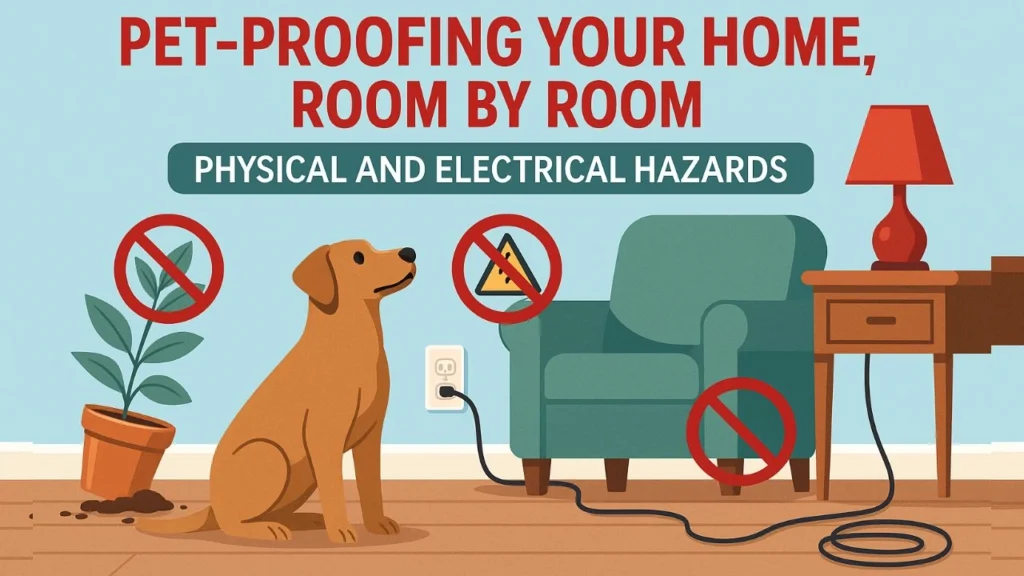
Beyond toxins, the home environment contains numerous physical hazards that can lead to electrocution, burns, internal obstructions, or strangulation. Proactive securing of these items is vital, particularly for young, curious pets.
Electrical Hazards: Cords, Outlets, and Chew Risks
Electrical cords and wires present a dual threat: electrocution risk if chewed, and strangulation/entanglement risk if loose. Puppies and kittens, in particular, often view loose cables as appealing chew toys, risking electric shock or severe oral burns.
Implementing Electrical Safety
The foundational step is to hide or cover all wires and cables. Specialized cord covers, plastic sleeves, or conduits can protect wires and deter chewing. If chewing persists, owners may consult their veterinarian about a safe, bitter-tasting repellent spray to apply to inaccessible parts of the wires.
For fixed electronics or water features (such as reptile habitats or water bowls), the use of Ground Fault Circuit Interrupter (GFCI) outlets is strongly recommended. GFCI outlets monitor the electrical current and instantly shut off power if a fault is detected (such as water exposure or chewing), providing a critical safety barrier against electrocution. All unused outlets should be secured with pet-safe covers or caps to prevent curious paws from poking into them.
Kitchen and Utility Room Safety
The kitchen is a high-traffic area with unique risks. In addition to securing sharp utensils immediately after use, controlling access to waste is paramount.
The Critical Trash Problem
Unsecured trash and recycling bins pose major risks. Pets are tempted by discarded leftovers, which can be toxic (like bones, moldy food, or spoiled items), or cause severe bacterial illness. Furthermore, ingesting wrappers, foil, or packaging materials can lead to life-threatening internal obstructions, requiring emergency veterinary intervention. Use heavy, secure lids on all trash and recycling bins, or store them inside a latched cabinet.
Appliance Traps
The utility room or laundry area often contains dangerous nooks. Narrow spaces behind washers, dryers, and other large appliances should be blocked off to prevent pets, especially cats, from hiding in them or becoming trapped and injured. Furthermore, owners should always check inside dryers and drawers before closing or starting the machine, as small pets sometimes climb inside for warmth or a hiding spot.
Bathroom and Bedroom Hazards (Small Objects)
These seemingly safe rooms contain numerous small items that are easily swallowed, leading to potential choking or digestive obstruction.
Choking and Obstruction Risks
Small items that must be secured include batteries, coins, jewelry, hair ties, and sewing/craft items. Batteries are particularly dangerous, as they can cause severe chemical burns to the esophagus and stomach if ingested.
Furthermore, string-like materials—such as dental floss, yarn, and thread—pose a unique, catastrophic risk, especially to cats. If swallowed, a linear foreign body (the string) can become anchored under the tongue or in the stomach while the rest of the string attempts to pass through the intestines. As the intestines move, the string acts like a saw, potentially cutting through the intestinal wall and causing peritonitis, which is often fatal without immediate, intensive surgery.
Critical Warning: If a pet has swallowed a piece of string or floss and it is hanging from their mouth or rectum, DO NOT attempt to pull it out. Immediate veterinary attention is required to safely remove the object.
Bathroom Security
Always keep the toilet lid CLOSED. Toilet water is unsanitary and may contain bacteria or chemical residues from cleaning tablets or products, which can cause illness in pets. All personal care products, including cosmetics, lotions, and shampoos, must also be stored out of reach.
Garage and Outdoor Security
The garage is often a repository for concentrated toxins. In addition to securing fuels and chemicals, immediate cleanup of antifreeze is paramount, as even small amounts are lethal to pets.
For outdoor safety, care must be taken with landscaping materials. Avoid cocoa bean mulch in gardens or dog runs. While most of the toxic methylxanthines are removed during processing, the chocolate aroma may still tempt dogs to ingest it. Beyond the chemical risk, the mulch itself can cause severe gastrointestinal obstruction if consumed.
Finally, during cooler months, small animals, particularly cats, often seek warmth near car engines. Before starting a vehicle, it is a recommended safety practice to thump the car hood firmly to alert any animals sheltering inside the engine block.
Top 5 Home Pet Hazards and How to Secure Them
This table summarizes the most frequent and dangerous household hazards based on veterinary data and provides the immediate steps owners must take to mitigate these risks.
Table Title: Top 5 Home Pet Hazards and How to Secure Them
| Hazard Category | Specific Examples (Trending Keywords) | Why It’s Dangerous | Immediate Safety Solution |
| Human Medications | OTC drugs (Ibuprofen, Tylenol), Antidepressants, ADHD meds | Often flavored/chewable, pets metabolize differently; can cause kidney failure or severe neurological issues. | Lock all medications in high, secured cabinets. Never leave pill bottles on counters. |
| Household Cleaners | Bleach, Ammonia, Phenols, Essential Oils | Corrosive, causes respiratory distress, vomiting, and chemical burns; essential oils can cause liver damage. | Use child-proof locks on low cabinets. Store chemicals on the highest shelf. Use pet-safe alternatives. |
| Food (Human) | Chocolate, Xylitol/Birch Sugar, Alcohol, Grapes/Raisins | Varies from vomiting/diarrhea to liver failure and seizures. Dogs lack an “off button” for tempting foods like chocolate. | Secure all trash cans and keep tempting foods fully out of reach and sight (e.g., high pantry shelves). |
| Electrical Cords | Laptop chargers, loose appliance wires | Risk of electrocution, burns, and deadly choking/strangulation hazards. | Use cord covers/sleeves. Apply bitter deterrent spray if chewing is a persistent issue. |
| Toxic Plants | Lilies (Cats), Sago Palm, Philodendron | Lilies are often fatal to cats; others contain irritant crystals causing severe pain and internal damage. | Remove highly toxic plants entirely, especially if you have a curious cat. Move mildly toxic plants to unreachable locations. |
Emergency Preparedness: Your Pet Safety Action Plan
Despite the best efforts at pet-proofing, accidents can happen. Having an immediate action plan and an established emergency kit is vital for minimizing damage during a crisis.
Contact List and Immediate Steps
If a pet owner suspects accidental poisoning, rapid, informed response is critical. The first steps are simple: remove the pet from the area of exposure and check to ensure the pet is safe, breathing, and acting normally.
The next action is to contact professional help immediately. Never delay seeking guidance. The following numbers should be kept readily accessible 24 hours a day:
- ASPCA Animal Poison Control Center (888) 426-4435
- Pet Poison Helpline (855) 764-7661
The crucial emergency protocol is: DO NOT give any home antidotes or try to treat the pet yourself. Most importantly, DO NOT induce vomiting unless specifically instructed to do so by a professional veterinarian or a poison control expert. In some cases, inducing vomiting can cause severe damage if the ingested substance is corrosive or oily.
Before heading to the clinic, owners should gather essential information: the time the exposure occurred, the pet’s symptoms, the exact name of the product or medication, and, if possible, collect the product container, label, or any samples of vomit or stool to take with them.
The Essential Disaster Kit Checklist
Preparedness extends beyond poisoning. Being ready for everyday emergencies, such as power outages, or larger-scale disasters (like storms or fires), requires a dedicated pet safety kit.
An essential disaster kit should be stored in an accessible, waterproof container and include:
- Transport: Sturdy carriers, leashes, and harnesses to safely move and secure pets.
- Sustenance: Food and fresh water supplies for at least 3–7 days, along with bowls and a manual can opener if needed.
- Medical: All current medications and a first aid kit.
- Records and ID: Copies of all veterinary medical records (vaccinations, conditions) and a waterproof container holding current photos of the pet and owner for identification, as well as feeding schedules and behavior notes.
Modern Pet Recovery: GPS Trackers vs. Microchips
A modern safety strategy requires more than just home security; it must address what happens when a pet escapes. According to estimates, about 10 million pets go missing annually, and sadly, over 80% are never found. This staggering statistic emphasizes the need for redundant and advanced recovery technology.
Passive ID: The Microchip
Microchips are a cornerstone of modern pet identification. They are tiny, battery-less tags implanted just beneath the skin. They function using Passive RFID technology, meaning they only activate when scanned by a specific device at a veterinary clinic or shelter.
A crucial point of clarification is that microchips do NOT contain GPS and cannot track a pet in real-time. They are permanent forms of identification that function only once the pet has been safely captured and scanned. At that point, the facility uses the unique ID number to retrieve the owner’s contact details from a registry. The good news is that microchipped pets are twice as likely to be reunited with their families compared to those without a chip. The necessary action is to register the microchip and ensure the contact information remains perpetually up-to-date.
Active Protection: The GPS Tracker
GPS trackers represent the active safety component of pet recovery. These devices attach to the pet’s collar and use satellite networks to provide real-time location data accessible via a smartphone application.
The true value of a GPS tracker becomes apparent during the critical first minutes and hours after a pet goes missing. A microchip helps reunite an owner with a pet that has been found and scanned, but a GPS tracker enables the owner to initiate an active search immediately, tracking the pet’s live location as they wander. The GPS tracker delivers immediate, actionable information, which is often crucial for a safe and quick return.
The choice between a microchip and a GPS tracker is not an “either/or” situation. The most comprehensive safety strategy combines both systems: a registered microchip provides permanent, battery-free identification backup, while a GPS tracker offers real-time monitoring and active protection.
Beyond Hardware: Image Recognition and Social Media
Technology is also transforming the recovery process beyond physical trackers. The use of social media platforms (Facebook, Nextdoor) allows pet owners to rapidly distribute photos and descriptions to thousands of local potential helpers.
A rapidly trending technology is the use of image recognition databases. Platforms such as PetCoLoveLost.org use patented AI technology to match photos of lost pets submitted by owners with images of animals found or taken into shelters. This sophisticated technology, often integrating with home security systems like Ring, offers a powerful, modern method to expedite pet recovery and reduce shelter overcrowding.
Frequently Asked Questions
1. Is toilet water safe for my dog to drink?
It is not recommended. Toilet water is unsanitary and can harbor bacteria. More critically, if cleaning products or tablets are used in the bowl, the water may contain chemical residues that can make your pet sick. Always keep the toilet lid closed.
2. How can I prevent my pet from chewing electrical cords?
The most effective methods are to hide cords entirely behind furniture or use specialized, heavy-duty cord protectors or sleeves. If chewing persists, a veterinarian may recommend a safe, bitter deterrent spray to apply to the wires.
3. My cat swallowed a piece of string/floss. Should I pull it out?
Absolutely NOT. If linear items like string or dental floss are swallowed and anchored, pulling them can cause them to saw through the intestinal wall, resulting in life-threatening damage. This requires immediate surgical attention. Take your pet to an emergency veterinarian immediately.
4. Before starting the car, why should I thump the hood?
In cold weather, stray animals, particularly cats, often seek shelter near the warm engine block. Thumping the hood firmly before starting the ignition creates noise that startles them, giving them a chance to escape before the engine starts, preventing severe injury or death.
5. What is the single most important thing to do if my pet is poisoned?
The single most important step is to call a professional immediately—your veterinarian, emergency clinic, or a Pet Poison Control line. DO NOT attempt to treat the pet yourself or induce vomiting unless directly instructed by a medical professional.
Final Words
The effort required to secure a home against pet hazards is not a one-time task but a continuous process of inspection and maintenance. The threats are diverse, ranging from the easily overlooked (like a dropped antidepressant pill or an essential oil diffuser) to the physically dangerous (like exposed electrical cords or swallowed dental floss).
By adhering to the established safety protocols—securing the top 10 toxins of 2024, eliminating physical hazards room by room, and implementing redundant recovery systems like both a GPS tracker and a registered microchip—owners move from being merely observant caretakers to highly proactive Most Valuable Pet Owners. Consistent diligence and preparation ensure that the home remains the safe, comfortable environment it is intended to be, guaranteeing the pet enjoys a long, healthy life free from avoidable accidents.