
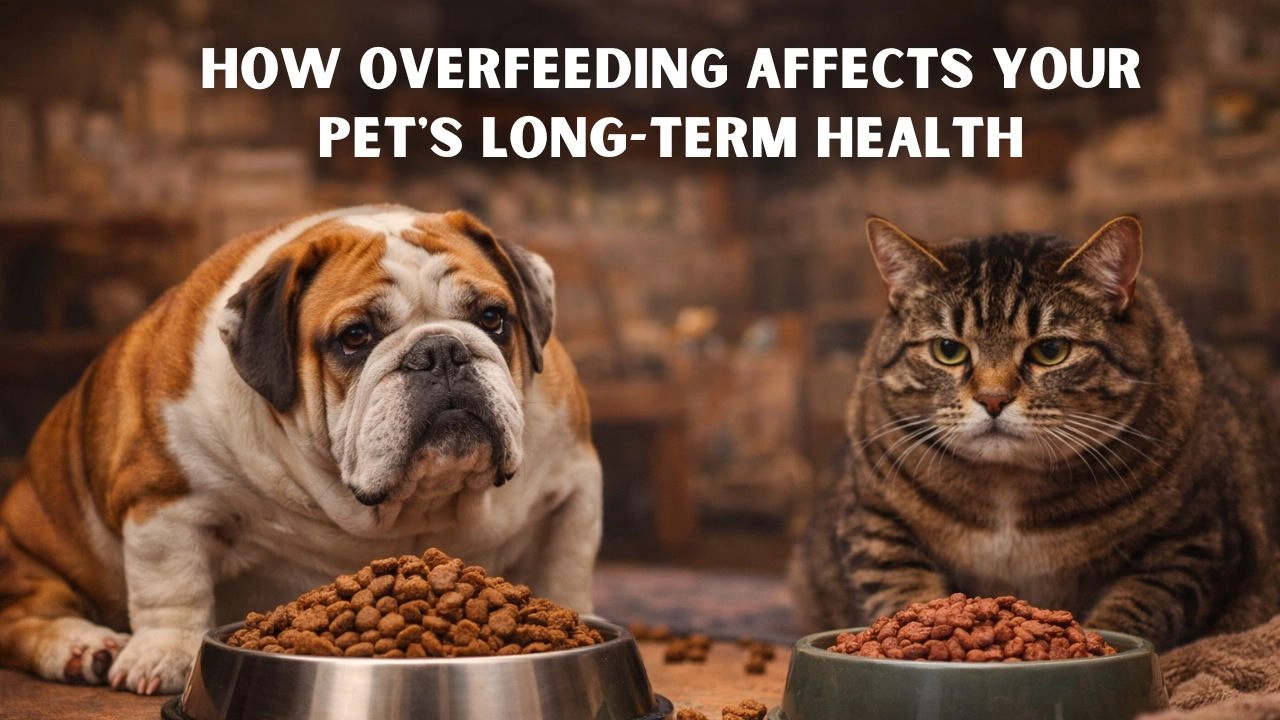
Feeding pets is a way many owners show love and care, but giving too much food can slowly harm a pet’s long-term health. Overfeeding is more common than people realize, and it affects dogs, cats, birds, and small pets alike. Extra treats, large portions, and frequent snacks may seem harmless, but over time they can lead to serious health problems.
Pets have specific nutritional needs based on their size, age, and activity level. When they regularly eat more than their bodies need, the extra calories are stored as fat. This gradual weight gain is often ignored until it begins to affect a pet’s energy, movement, and overall comfort.
How Overfeeding Impacts Your Pet’s Health Over Time
| Effect of Overfeeding | What Happens Inside the Body | Long-Term Risk |
|---|---|---|
| Weight gain | Excess calories turn into body fat | Obesity |
| Joint strain | Extra weight stresses bones and joints | Arthritis and pain |
| Digestive issues | Stomach works harder to process food | Chronic upset |
| Low energy | Body becomes less efficient | Reduced activity |
| Heart stress | Extra fat affects circulation | Heart disease |
| Shorter lifespan | Organs work under pressure | Reduced life expectancy |
One of the earliest effects of overfeeding is unhealthy weight gain. Pets may move less, sleep more, and struggle during simple activities. This extra weight places pressure on joints and bones, making movement painful, especially for older pets.
Overfeeding also affects the digestive system. Pets may experience bloating, vomiting, or irregular bowel movements. Constant digestive strain can lead to long-term discomfort and poor nutrient absorption.
Another serious concern is the impact on the heart and internal organs. Excess fat forces the heart to work harder, increasing the risk of heart-related issues. The liver and kidneys may also struggle, especially when overfeeding continues for years.
Overfed pets often show behavioral changes as well. They may become less playful and more tired. Reduced activity creates a cycle where pets gain even more weight, further affecting their health.
So how can owners prevent these problems? Start by serving measured portions instead of guessing. Follow feeding guidelines provided by your veterinarian or pet food packaging, and adjust based on your pet’s activity level.
Limiting treats and table scraps is equally important. Treats should be occasional, not daily meals. If you want to reward your pet, use small, healthy options designed for animals.
Regular exercise and playtime help balance food intake and maintain a healthy weight. Even gentle daily movement can make a big difference over time.
If you are unsure whether your pet is being overfed, a veterinary checkup can help assess weight and dietary needs. Early correction prevents long-term damage.
Understanding how overfeeding affects long-term health empowers pet owners to make better choices. With proper portions and balanced nutrition, pets can enjoy a healthier, more active, and longer life.
FAQs
How can I tell if my pet is overweight?
Signs include difficulty moving, low energy, and visible fat around the body.
Is giving treats every day harmful?
Yes, frequent treats can quickly lead to overfeeding.
Do indoor pets need less food?
Often yes, because lower activity means fewer calories are needed.
Can overfeeding shorten a pet’s life?
Yes, long-term overfeeding can reduce lifespan and quality of life.
Should feeding amounts change with age?
Yes, aging pets usually need adjusted portions.
When should I consult a veterinarian?
If weight gain or health changes appear, seek professional guidance.