
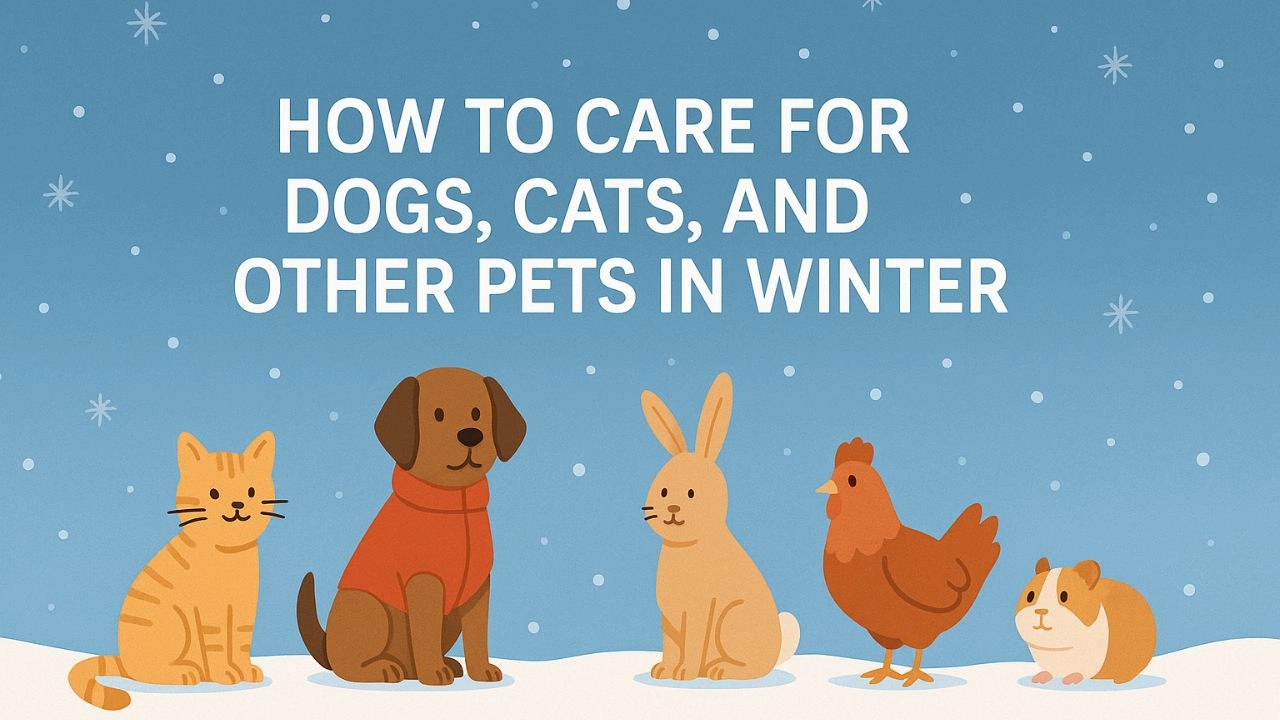
Cold days and snowy mornings are now common in many parts of the UK. As temperatures fall, our pets can feel the change just as much as we do. Keeping them safe, warm, and comfortable becomes more important during this time of year.
Keeping pets warm inside the house
| Pet Type | Main Cold-Weather Risk | How to Keep Them Warm | Outdoor Safety Tips |
|---|---|---|---|
| Dogs | Low body temperature, wet fur, frozen paws | Warm coat for thin-fur breeds, dry after walks, raised bed | Avoid frozen ponds, shorter walks, use LED/hi-vis gear |
| Cats | Chilled paws, difficulty finding shelter at night | Warm indoor spots, blankets, indoor litter tray | Allow outdoor time in daytime only, easy access back indoors |
| Rabbits | Sudden cold shock, damp hutches | Move to shed/garage/indoors, cover hutch with thick cloth | Keep hutch off the ground and protected from wind |
| Guinea Pigs | Rapid heat loss due to small size | Provide extra bedding, move inside cooler room | Avoid wet or icy outdoor areas completely |
| Ferrets | Cold stress, low energy in freezing air | Indoor play spaces, warm bedding | Keep outdoors only for short periods |
| Chickens | Frozen water supply, cold coop, predators | Insulated coop, cardboard sleeping box | Check fences often, ensure water doesn’t freeze |
Pets can struggle when indoor temperatures drop too low. Some may start to show signs of being cold, such as shaking or moving slowly, especially animals with short fur or small bodies that lose heat quickly.
During winter, it helps to give your pet extra soft places to rest. More blankets, thicker bedding, or a warm corner away from drafts can make a big difference. Older dogs often stay warmer when their bed is slightly raised off the floor. Many cats feel safer and warmer in higher spots, like on a tall perch or a shelf.
Since cold weather may limit outside time, pets should still stay active indoors. Simple games or interactive toys keep them moving and help maintain their energy.
Some animals may naturally eat more in cold weather as their body uses extra energy to stay warm. Even if they seem to drink less, they still need fresh water available at all times, because dehydration can happen quietly in winter.
Walking dogs during cold weather
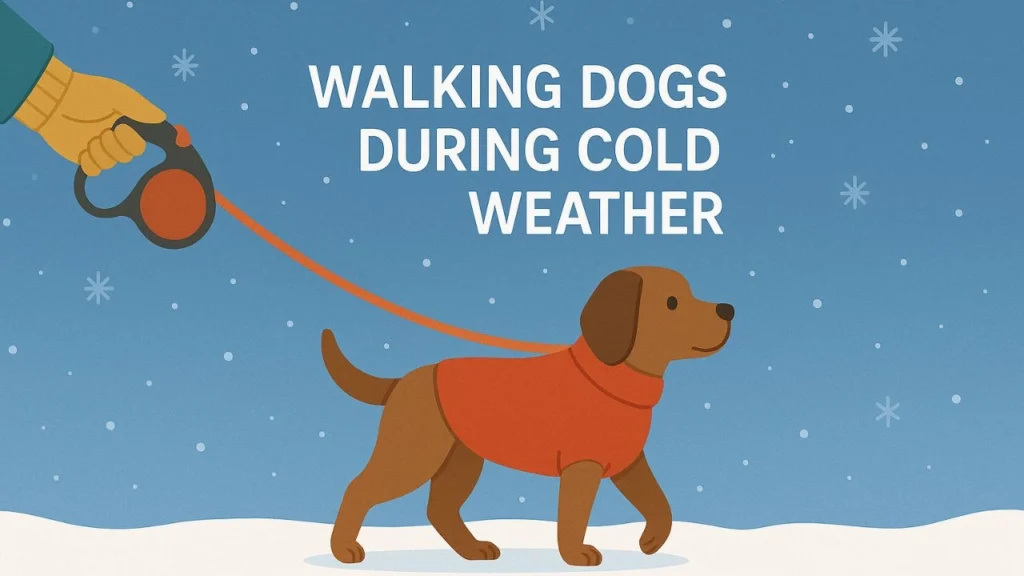
Even in freezing temperatures, dogs still benefit from regular walks. Their fur provides some warmth, but dogs with thin coats, and those that are very young, elderly, or recovering from illness, may need a warm coat before heading outside. A jacket that is comfortable, fits well, and keeps out moisture works best.
When possible, daytime walks are safer because visibility is better. For early mornings or evenings, light-up collars or reflective leads help others see your dog clearly.
Snow can hide dips, branches, or slippery patches, so dogs should be watched closely when running off the lead. It is also important to stay away from frozen ponds or lakes because the ice may not hold weight, even if it looks solid.
Shorter walks done more often are usually better than one long outing in very cold weather. After returning home, drying your dog if they got wet and checking their paws for ice, grit, or salt will help keep them comfortable.
Caring for rabbits, guinea pigs, and other small animals
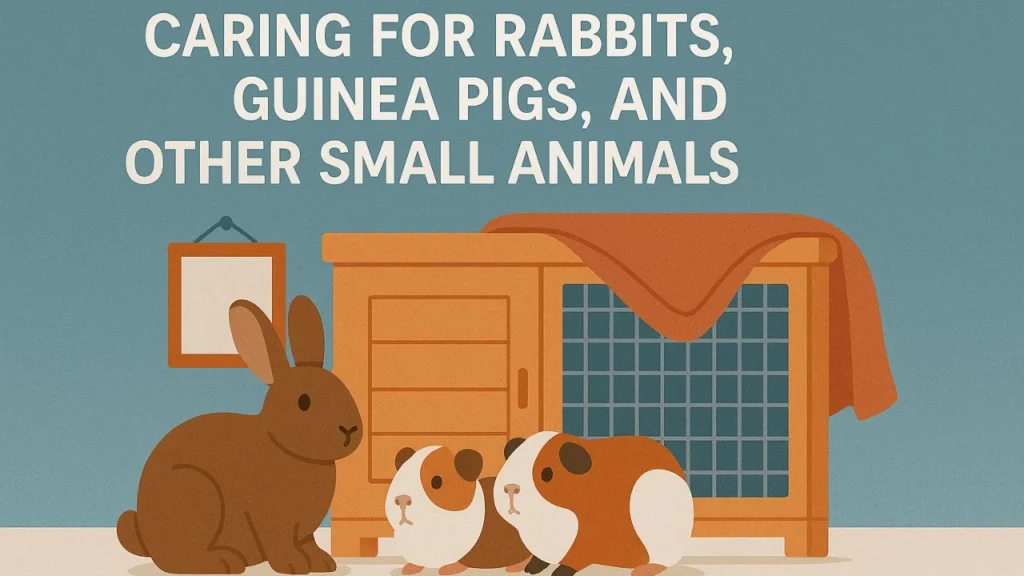
Small pets such as rabbits and guinea pigs are sensitive to sudden temperature changes. Cold weather can put stress on their bodies if they live outdoors. Moving them into a shed, a garage, or even inside the home can help protect them from freezing winds and damp conditions.
If brought indoors, they should be placed in a room that stays a bit cooler than the rest of the house so they don’t overheat. If keeping them outside is the only option, covering their hutch with a thick blanket or an old carpet can help keep the warmth in.
Should cats stay indoors during winter?
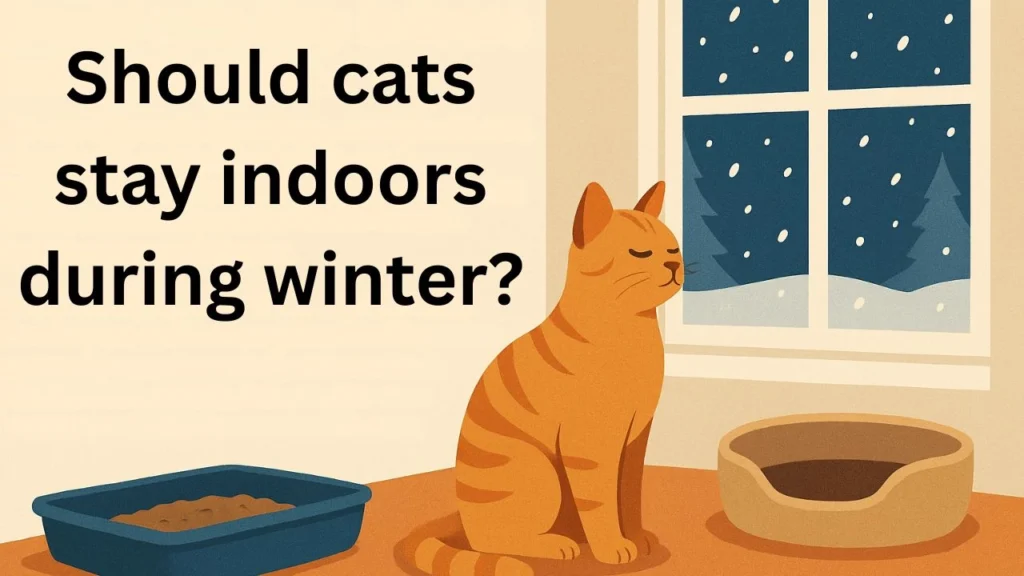
Most cats enjoy exploring outdoors, even when it’s cold. During the day, cats that regularly go outside can usually continue to do so. What matters most is making sure they have an easy way back inside through a flap or another safe entry point.
On very cold nights, it’s better to keep cats inside, where they can rest in a warm place. Providing a litter tray, even for cats that normally toilet outdoors, gives them a comfortable indoor option when the ground outside is icy or covered in snow.
Looking after chickens in colder months
Chickens generally cope better with cold weather than many other pets, as they are naturally resilient birds. Still, when temperatures drop sharply, their living area needs extra attention.
Their coop should be strong, dry, and well-protected from the wind. A larger hen house may benefit from a simple cardboard box laid on its side so the birds can huddle together inside for warmth. Fresh water should be checked often, because it can freeze quickly in winter.
Fences and boundaries around the chicken area should also be inspected. Bad weather can loosen posts, making it easier for predators like foxes to get in, so regular checks help keep the birds safe.