
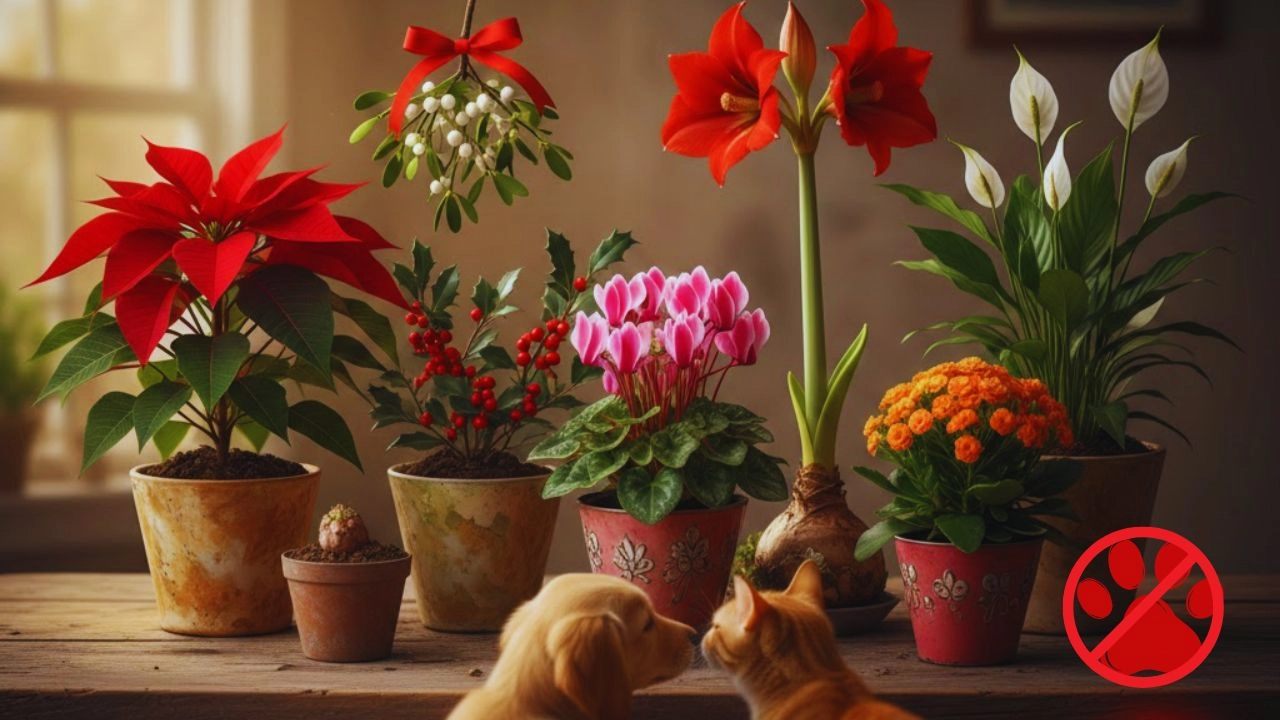
Decorating your home for the winter holidays is always exciting. The twinkling lights, special ornaments, cozy garlands, and handmade décor bring so much warmth and charm to every corner of the house. For many families, bringing in fresh greenery is a big part of the seasonal tradition. Whether it’s the smell of evergreen wreaths, a grand Christmas tree, or lush table arrangements, greenery instantly changes the mood and sets the perfect festive tone. Some people prefer faux greenery because it’s easier and safer, especially in a home with pets.
However, not every festive plant is as harmless for pets as it looks. Just like certain houseplants, some popular holiday greens can be risky for both pets and humans. We spoke with veterinarian Lizzie Youens, who shared essential guidance on seven well-known seasonal plants that can be toxic. You don’t have to avoid classics like poinsettia or mistletoe completely, but you should be aware of the risks and take precautions, especially if you have curious pets who love exploring everything. Here are the plants you should handle with care this holiday season.
Holiday Plants and Their Toxicity Levels
| Plant Name | Toxic To | Common Symptoms | Safe to Touch? |
|---|---|---|---|
| Holly | Pets & Humans | Mouth irritation, vomiting, stomach pain | Yes |
| Autumn Crocus | Pets | Severe GI issues, organ damage, breathing problems | Yes |
| Amaryllis | Pets | Vomiting, tremors, low blood pressure, seizures | Yes |
| Ivy | Pets & Humans | Rashes, stomach irritation, nausea | Yes |
| Yew | Pets & Humans | Weakness, heart failure, sudden collapse | Yes |
| Poinsettia | Pets | Drooling, vomiting, lethargy | Yes |
| Mistletoe | Pets & Humans | Nausea, vomiting, hallucinations | Yes |
Holly
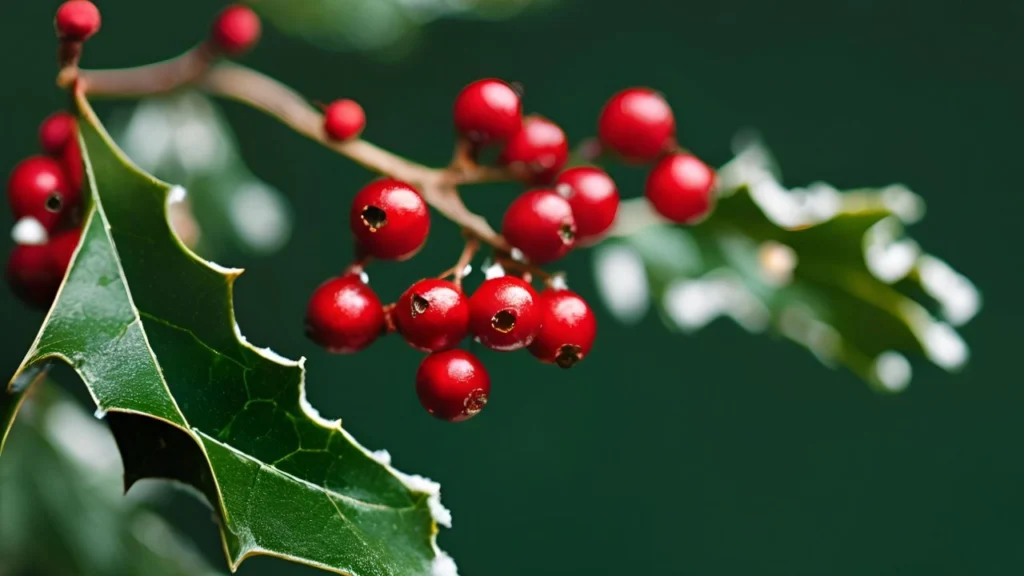
Holly bushes add a bright pop of color to holiday décor, but both the shiny leaves and red berries can be harmful. The sharp leaves can scratch the mouth, throat, and even the digestive tract if eaten. The berries may look tempting but often lead to nausea and stomach trouble. For pets, keeping them hydrated until the plant passes through their system can help avoid a trip to the vet.
Autumn Crocus
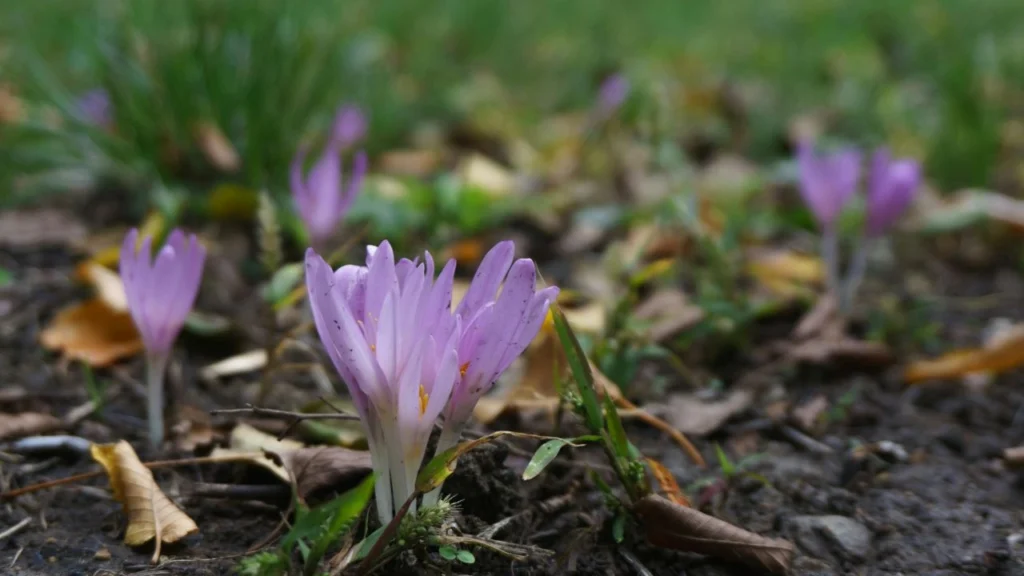
The autumn crocus blooms even in cold weather, making it a charming winter flower. But beneath its beauty lies a powerful toxin called colchicine. For pets, this can trigger extreme gastrointestinal issues, liver and kidney damage, and even respiratory failure. Keep your pets away from these purple flowers during winter walks or outdoor playtime.
Amaryllis

Gorgeous and dramatic, amaryllis blooms are popular holiday gifts. But both the bulb and flowers contain lycorine and other alkaloids that are very harmful to pets. Symptoms can range from mild vomiting and drooling to tremors, low blood pressure, and seizures if large amounts are eaten. If you receive one as a gift, place it well out of reach of animals.
Ivy
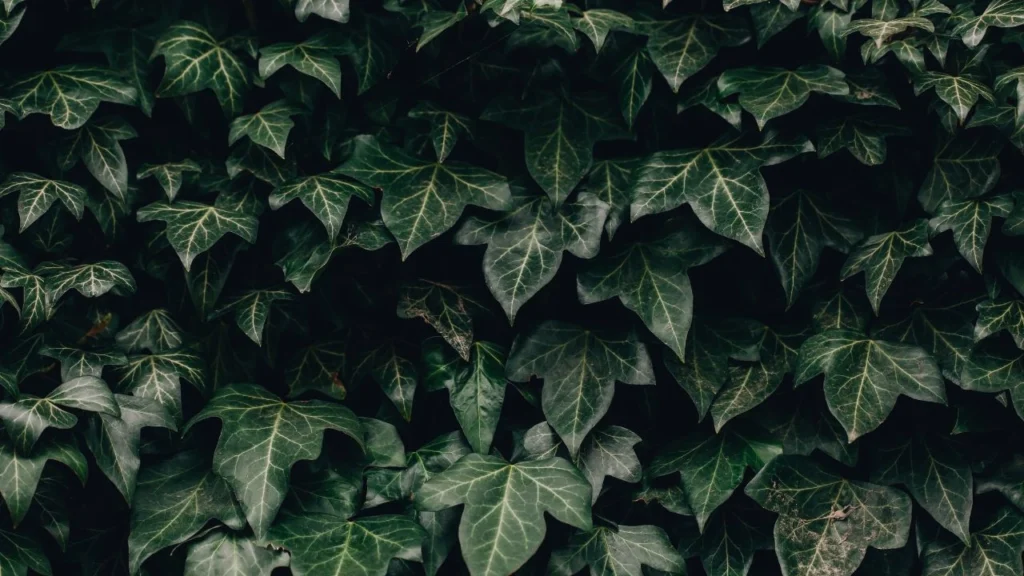
Although ivy looks stunning in wreaths and garlands, ingestion can cause skin irritation, stomach cramps, and digestive distress for both humans and animals. Fortunately, ivy poisoning is rarely life-threatening, but it’s still best to stick with faux ivy if you want that cascading greenery effect in your seasonal décor.
Yew
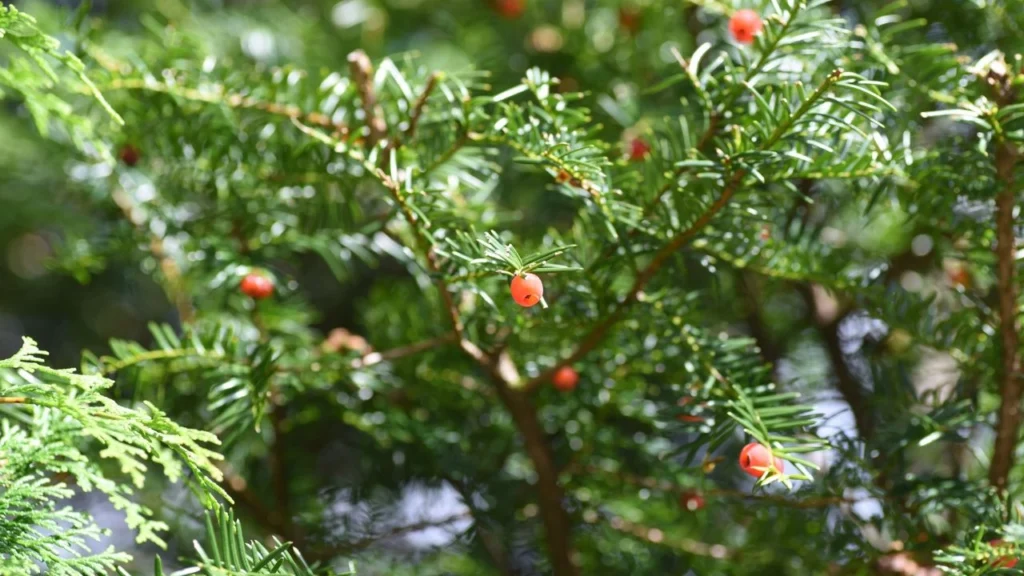
This deep-green evergreen plant is extremely toxic. Even a few bites can lead to serious sickness, sudden heart failure, and in the worst cases, fatal reactions in pets. The berries look harmless, but every part of the yew plant is considered dangerous for animals and people. Keep it out of holiday arrangements if pets roam freely.
Poinsettia
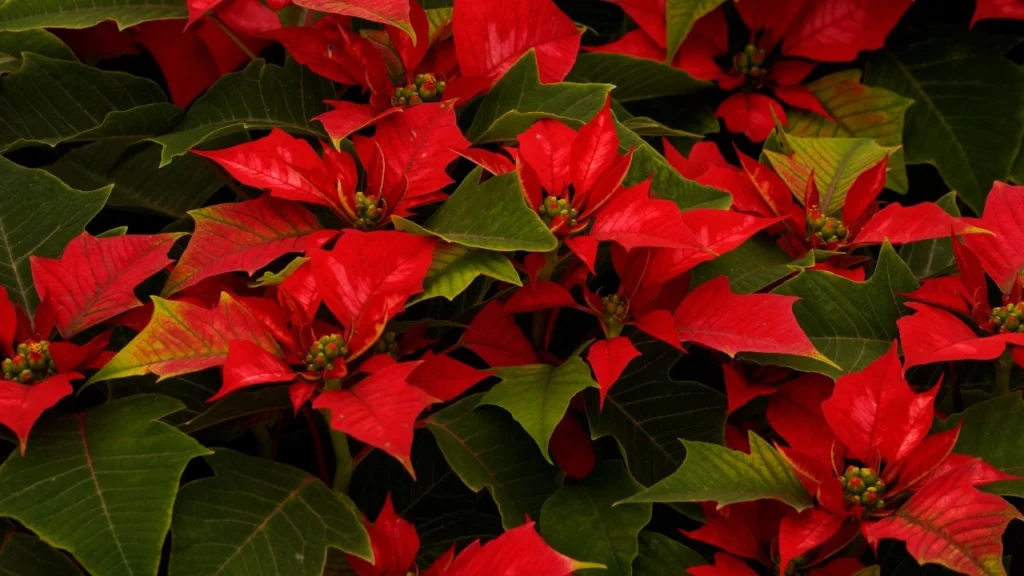
A holiday classic, poinsettias are known for their striking red leaves, but they’re not pet-friendly. The plant’s milky sap can cause irritation in humans and animals. While small amounts usually aren’t deadly, eating a lot can trigger vomiting, drooling, and lethargy. Display them high up or choose faux versions instead.
Mistletoe

Mistletoe is usually hung overhead, which makes it safer, but cats who love climbing can still reach it. Ingesting mistletoe can lead to nausea, vomiting, confusion, and even mild hallucinations. It’s safe to touch but never safe to eat. Keep it secured firmly and out of reach of both children and pets.
FAQs
Q1: Are real Christmas trees toxic for pets?
Most real Christmas trees aren’t highly toxic, but the sap and needles can irritate the stomach and cause mild vomiting if swallowed.
Q2: Can pets get sick from drinking water at the base of the Christmas tree?
Yes, because the water can contain fertilizers, bacteria, and sometimes preservatives, which may upset your pet’s stomach.
Q3: Is it safe to use essential oils around pets during the holidays?
Many essential oils like tea tree, eucalyptus, and pine can be harmful. Always check with a vet before diffusing oils near animals.
Q4: What should I do if my pet eats a toxic plant?
Contact a veterinarian immediately and note the name of the plant. Early treatment greatly improves recovery.